What Homeowners Should Know Before a Roof Replacement
Replacing the roof over your head is one of the more consequential decisions a homeowner faces. It is not a project you take on every year, and the stakes are high: the roof protects everything else you own. Whether you live in an older home that needs a full tear-off or you are dealing with storm damage that has pushed a partial repair past its limits, understanding what goes into a new roof installation can help you plan wisely and avoid surprises.
The process involves more than stacking shingles. A roof is a layered system, and each layer has a job. When one part fails, the whole system can suffer. Before you commit to a timeline or a budget, it helps to know what the steps are, what materials are available, and what warning signs suggest the job may be more involved than it looks from the ground.
Start With a Roof Inspection
A professional roof inspection is the logical first step. An inspector or a qualified contractor walks the roof surface, checks the flashings around chimneys and vents, looks at the condition of the underlayment, and examines the attic for signs of moisture or poor ventilation. The inspection report tells you whether you need a repair or a full replacement. It also reveals hidden problems like rot in the roof deck or gaps in the ice and water shield that would compromise a new roof if left untreated.
Many homeowners skip this step because they assume visible damage tells the whole story. But a good inspection can catch issues that are not obvious from the driveway. For example, curled shingles or a few missing tabs may look like a quick fix, but if the felt beneath them is brittle or the nails are losing their grip, the rest of the roof is not far behind. An inspection gives you a clear picture of what you are working with and helps you set realistic expectations for the work ahead.

Roof Deck Preparation and Underlayment
Once the old roofing material is stripped away, the roof deck is exposed. This is the plywood or OSB sheathing that sits on top of the rafters. It must be sound before anything new goes on top. If the deck has soft spots, rot, or water stains, those sections get cut out and replaced. This step is not glamorous, but it is critical. A new roof installation on a compromised deck is like building a house on a cracked foundation.
After the deck is ready, the underlayment goes down. This is a water-resistant or waterproof membrane that covers the entire deck. In colder climates or areas prone to ice dams, an ice and water shield is often used in the valleys and along the eaves. This self-adhering membrane seals around nails and prevents water from working its way under the shingles. It is a relatively inexpensive upgrade that adds a lot of protection, especially in regions where hail and heavy rain are common.
Flashings, Vents, and Details
The edges and penetrations of a roof are where most leaks start. Flashings are metal or rubber pieces that seal the gaps around chimneys, skylights, plumbing vents, and wall intersections. They must be integrated with the underlayment and the finished roofing material. A sloppy flashing job can undo the work of the best shingles in the world.
Roof vents are another detail that matters. Ridge vents, static vents, or turbine vents allow hot air and moisture to escape the attic. Without adequate ventilation, heat builds up under the roof deck and can shorten the life of the shingles. It can also cause condensation that leads to mold. A competent contractor will evaluate your existing ventilation and adjust it as part of the new roof installation. It is not an afterthought; it is part of the system.
Choosing a Roofing Material
Asphalt shingles are the most common residential roofing material in many parts of the country. They are affordable, easy to install, and come in a range of colors and styles. But they are not the only option. Metal roofing, such as standing seam or corrugated panels, lasts longer and handles snow and hail better, though it costs more and requires experienced installers. Clay and concrete tiles offer a distinctive look and excellent durability, but they are heavy and may require structural reinforcement. Flat roofs and low-slope roofs often use modified bitumen, TPO, or EPDM membranes that are rolled out and adhered or ballasted.
Your choice depends on your climate, your home's architecture, your budget, and how long you plan to stay in the house. A roofer who offers multiple options can walk you through the trade-offs between cost, lifespan, and maintenance. If you live in an area prone to hailstorms, impact resistance matters. If you live in a hot climate, reflective coatings or light-colored materials can reduce cooling costs. There is no single best material; there is only the material that fits your situation.

Hail Damage Assessment and Storm Restoration
Hail can do surprising damage to a roof. Even if the shingles do not crack, the impact can dislodge granules, weaken the mat, or bruise the underlying mat so that it delaminates over time. After a major storm, a hail damage assessment from a qualified inspector can identify hidden damage that insurance adjusters might miss. The assessment documents the extent of the damage and supports a claim for repair or replacement.
Storm restoration is a related service that addresses damage from wind, falling branches, and heavy rain. In the aftermath of a storm, temporary tarps and emergency repairs stabilize the roof until a permanent fix can be scheduled. But temporary fixes are not meant to last. If the damage is widespread, a full replacement often makes more sense than a patchwork of repairs. A thorough assessment helps you decide which route is right.
What to Watch Out For
Not every contractor works the same way. Some cut corners by skipping the underlayment or using cheaper nails. Others rush the job and leave flashings poorly sealed. A few things to keep an eye on:
- Make sure the contract specifies the type and thickness of underlayment. Generic felt is not the same as a high-performance ice and water shield.
- Ask about the nail pattern. Roofing nails should be driven straight and at the correct depth. Overdriven nails can dimple the shingle and cause premature failure.
- Check that the contractor pulls permits if required. Permits mean the work will be inspected by the local building department.
- Get a timeline in writing. A roof replacement can take anywhere from a few days to a couple of weeks, depending on the size and complexity of the roof and the weather.
- Verify that the contractor carries liability insurance and workers' compensation. This protects you if someone is injured on your property.
Planning for the Job
Once you have chosen a contractor and settled on materials, the actual work begins with a crew arriving early in the morning. They set up tarps and dumpsters, then start tearing off the old roof. There will be noise and some mess, but a professional crew keeps the site as clean as possible and cleans up each day before they leave. You may need to keep windows closed and move vehicles away from the work area. Pets and children should stay clear of the work zone for safety.
After the old roof is off, the crew inspects the deck again. Sometimes hidden damage appears once the covering is removed. A good contractor will show you what they found and explain what needs to happen next. This is not a red flag; it is a sign of thoroughness. The alternative is covering up problems and hoping they do not surface later.
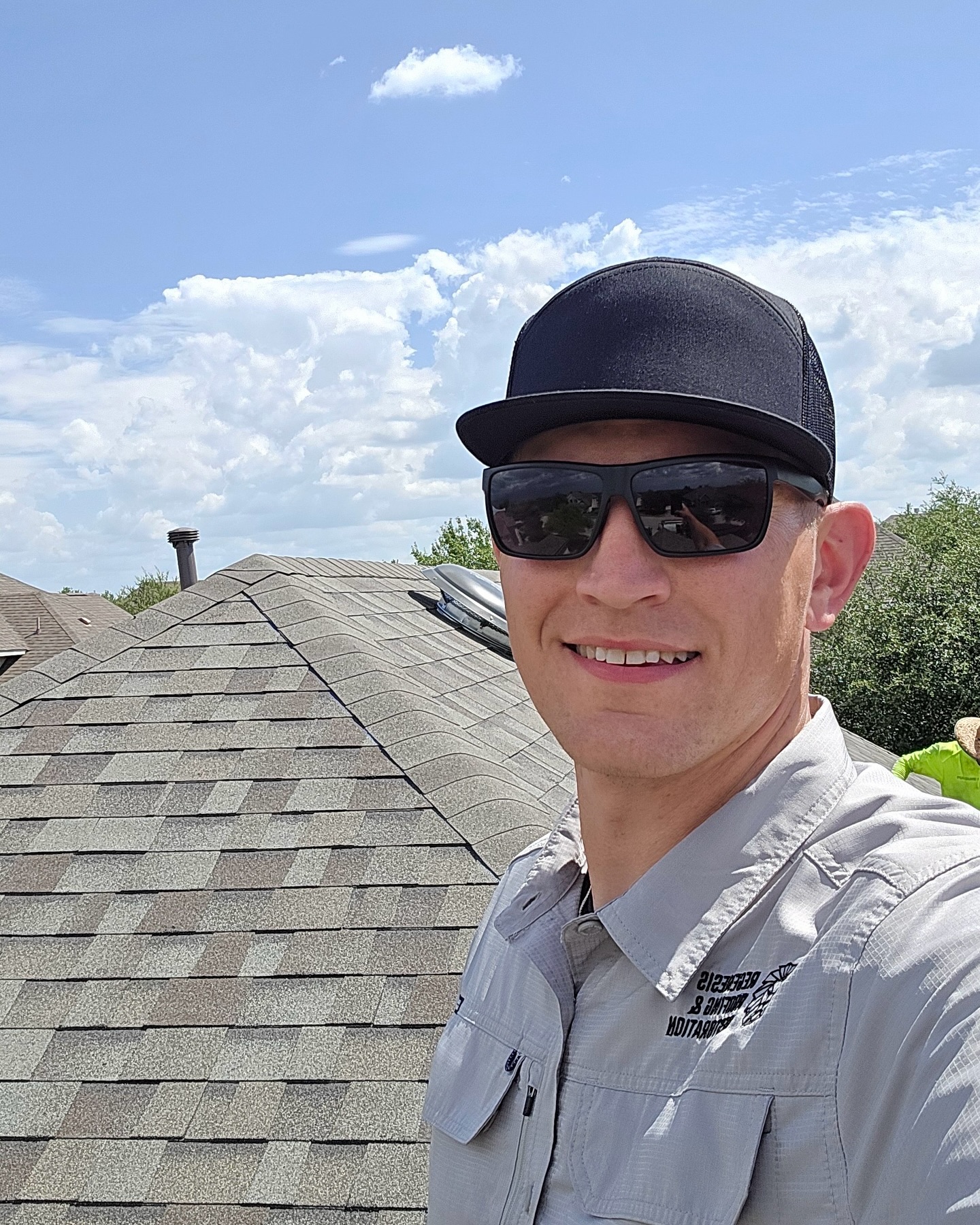
The installation proceeds from the bottom up: underlayment first, then flashings and starter strips, then the field shingles, then ridge caps and final trim. A final walkthrough with the contractor lets you see the finished work, ask questions, and note any areas that need adjustment. Most contractors offer a warranty on materials and workmanship, and that warranty is only as good as the company behind it. Keep the paperwork in a safe place.
After the Work Is Done
A new roof does not require much maintenance, but it is not maintenance-free. Debris like leaves and pine needles should be cleared from valleys and gutters. Moss or algae can be treated with a gentle cleaner if it appears. And after any major storm, a quick visual check from the ground or a professional inspection can catch small issues before they become big ones. The roof is your home's first defense against the elements. A little attention goes a long way toward keeping it sound for years to come.